
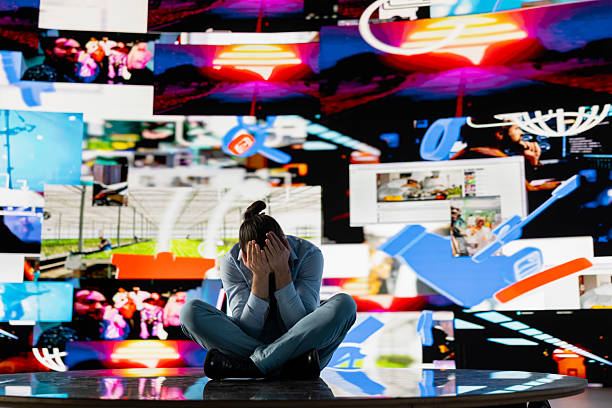
Entertainment has never been more accessible. Films, games, social media, podcasts and live content are available almost instantly on the same devices people use for work and communication. That abundance is convenient but it also creates fatigue. As digital overload grows, people are becoming more selective about how they spend their leisure time and which platforms deserve their attention.
Choice Is Becoming a Source of Friction
More choice usually sounds like a positive development.
Streaming libraries contain thousands of films and series. Game stores offer enormous catalogues. Social platforms deliver an endless flow of short videos, recommendations and live content.
Yet too much choice can make entertainment feel like another task.
People may spend several minutes scrolling without selecting anything. Others switch between apps repeatedly because no single option holds their attention for long. The result is a strange contradiction: access has improved while deciding what to watch or play has become more difficult.
This is changing how entertainment platforms are designed.
Instead of simply adding more content, many services now focus on helping users narrow it down. Personalised recommendations, continue-watching sections and curated collections reduce the effort required to begin.
The same pattern appears in online gaming. A casino platform may contain hundreds of slots and live casino games but users still need practical ways to find the experiences that suit them. Consumer-focused services such as Slotsoo sit within this wider trend by helping players compare online casino options rather than forcing them to sort through every platform individually.
Shorter Sessions Are Becoming More Common
Digital overload is also changing the length of entertainment sessions.
People do not always have the time or attention for a two-hour film, a long gaming session or an extended podcast. Shorter formats have become popular because they fit easily around other activities.
This explains part of the success of short-form video.
A few minutes of entertainment can fill a train journey, a coffee break or the gap between meetings. Mobile games benefit from the same behaviour because they can often be played in short bursts.
Even longer-form entertainment is adapting.
Streaming platforms make it easy to pause and resume content. Games increasingly save progress automatically. Podcasts are divided into easily accessible episodes and chapters.
The broader expectation is clear: entertainment should fit around the user rather than requiring the user to reorganise their day around it.
People Are Becoming More Selective
When attention becomes scarce, familiarity gains value.
Users often return to platforms they already understand because learning a new interface creates additional friction. They may also prefer trusted recommendations over browsing unfamiliar catalogues.
This does not mean people are becoming less adventurous.
It means discovery needs to be efficient.
A strong recommendation from a friend, creator or editorial platform can remove much of the uncertainty involved in choosing something new. Clear categories and useful search tools do the same thing.
Digital entertainment companies are therefore competing not only for users but for mental space.
Every notification, recommendation and promotional message asks for a small amount of attention. When several platforms make those requests at once, users begin filtering more aggressively.
Some habits that reflect this shift include:
- turning off non-essential notifications
- limiting the number of active subscriptions
- returning to familiar games or programmes
- using curated lists instead of browsing large libraries
- choosing entertainment that can be started quickly
These behaviours suggest that convenience now includes reducing decision-making.
Discovery Is Moving Outside the Platform
Another consequence of digital overload is that people increasingly decide what they want before opening an entertainment service.
Social media clips, online communities and creator recommendations influence which films people watch and which games they try. The platform itself may become the final destination rather than the starting point for discovery.
This changes the role of the homepage.
A service can no longer assume that users will patiently browse categories until something catches their attention. Many arrive with a specific title, game or experience already in mind.
That makes search quality more important.
It also means platforms need to communicate their strengths quickly. If a user cannot find what they came for, they may move elsewhere within seconds.
The same principle applies across streaming, gaming and digital publishing. The competition is no longer limited to similar services. A film platform can lose attention to a mobile game. A game can lose attention to a social feed.
Every form of digital leisure exists in the same attention economy.
Less Can Sometimes Feel Like More
The next stage of digital entertainment may not be defined by larger catalogues.
It may be defined by better filtering.
People still want variety but they increasingly value services that make that variety manageable. Clear recommendations, strong search tools and simpler interfaces can reduce the feeling of overload.
This creates an opportunity for entertainment companies to compete through restraint.
Instead of constantly demanding more attention, the most useful platforms may help users decide faster and spend their leisure time more intentionally.
Digital abundance is not disappearing. The challenge is learning how to navigate it without turning relaxation into another form of work.
More Stories
6 Ways Digital Platforms Are Changing Asian Movie and Drama Viewing
Get Who Cares?: Inside Tracy Jimenez’s Bold New Track And What It Means In 2026
Partying in 2026: How Social Events Are Changing in the Modern World
What an Airbnb Injury Attorney Can Do After a Rental Accident