

Luxury is often discussed as if it were purely emotional—desire, aspiration, craftsmanship, fantasy. Yet behind the glossy imagery sits a rigorous commercial system. Price architecture is that system: the deliberate design of price tiers, product categories, and customer pathways that allow a brand to be both selective and scalable. Done well, price architecture turns a single purchase into a relationship, guiding customers from an accessible first item to progressively rarer, more expensive goods.
This ladder matters because luxury buyers do not all arrive at the same altitude. Many start with a small step—an accessory, a beauty item, a modest piece of jewelry—before moving upward as income grows, confidence increases, or attachment deepens. In a marketplace where attention can drift from style content to the ipl cricket games download and back to shopping in seconds, a coherent ladder is what keeps interest from evaporating. It gives a brand multiple “doors” into the house, while ensuring every door leads to the same aesthetic and emotional destination.
What “Price Architecture” Actually Means
Price architecture is not simply “charge more.” It is the strategic arrangement of offerings so that each tier supports the next. It typically includes:
- Entry products: lower-priced items that introduce customers to the brand.
- Core luxury: the main body of the assortment where identity is most clearly expressed.
- Elevated luxury: higher-priced pieces that emphasize craftsmanship, scarcity, and design complexity.
- Top of pyramid: the rarest, most expensive items—often high jewelry or comparable categories—where prestige is concentrated.
The most important point is coherence. If entry products feel unrelated to the brand’s core, they cheapen the perception of the entire portfolio. If top-tier products feel disconnected from the brand’s story, they look like vanity projects. The architecture must be emotionally continuous even when prices are not.
Entry Points: Accessibility Without Dilution
Entry points are often misunderstood as a “mass” strategy. The best entry points are not cheap; they are reachable. They provide a first taste of the brand’s codes—materials, design signatures, packaging, service—at a lower price than the iconic, high-margin categories.
Strong entry points share a few features:
1) High visibility in daily life
Small leather goods, belts, eyewear, fragrance, and costume-level jewelry are popular because they are used frequently and seen by others. That visibility increases perceived value: the buyer feels they are “wearing the brand” more often.
2) Symbolic density
Entry items often carry a concentrated amount of brand identity: signature motifs, distinctive hardware language, recognizable shapes, or characteristic color cues. The product becomes a portable introduction to the brand’s world.
3) Manageable production complexity
Brands can maintain quality while producing these items at scale, which supports profitability even at lower price tiers.
The risk is obvious: if entry points become too logo-dependent or too widely discounted, they shift from introduction to overexposure. When that happens, the brand’s higher tiers lose their aura because the public sees the identity as ubiquitous rather than selective.
The Middle of the Ladder: Where Identity Is Monetized
The core and elevated tiers are where luxury brands tend to earn both revenue and cultural meaning. This is the zone of iconic handbags, premium ready-to-wear, fine jewelry, and high-end footwear—categories that can carry high margins and strong repeat purchasing.
To make the ladder work, brands design “bridges” between tiers:
- Material upgrades: moving from plated metals to solid gold, or from standard leather to rarer skins and hand-finishing.
- Construction upgrades: more complex patterning, hand-stitching, or bespoke-like fit and detailing.
- Design upgrades: limited runs, special seasonal treatments, and distinct provenance stories.
These bridges are crucial because they provide justification. Luxury pricing cannot rely on mystery alone; it needs a credible story about what changes as the price increases. The customer must feel the ascent is earned, not arbitrary.
The Role of Scarcity and Controlled Distribution
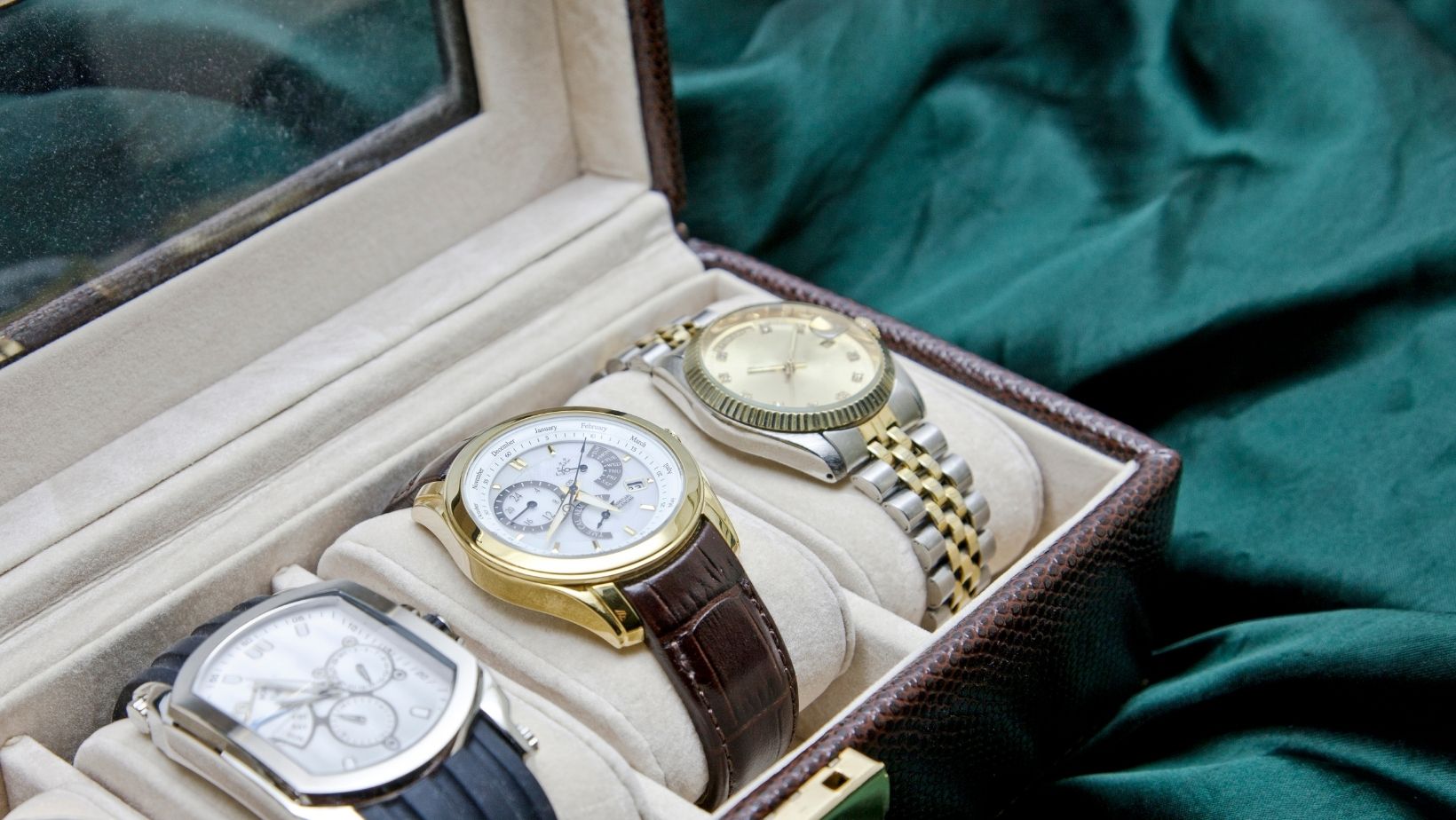
Price architecture is protected by distribution discipline. A brand can design the perfect ladder and still undermine it by allowing the lower tiers to flood the market.
Common protective mechanisms include:
- Selective retail partners: limiting where products are sold to maintain consistent presentation and pricing.
- Limited allocations: restricting supply of high-demand items to preserve desirability and reduce discount pressure.
- Channel separation: certain products reserved for flagship stores, private client programs, or appointment-only experiences.
- Service differentiation: higher tiers receive more personalized service—special packaging, clienteling, invitations, private previews.
Scarcity is not only about less product. It is about controlled access that reinforces the perception of hierarchy.
High Jewelry as the “Top of Pyramid” Strategy
High jewelry occupies a unique role in luxury price architecture. It is not always a volume business, but it is a prestige engine. These pieces are defined by rare gemstones, extraordinary craftsmanship, and significant artistic labor. Even when only a small number of clients purchase them, the category sends a powerful signal: the brand is not just selling products; it is demonstrating mastery.
High jewelry typically reinforces the brand in three ways:
1) Halo effect
The existence of breathtaking, expensive pieces elevates the entire brand. Customers buying entry products still feel connected to a house capable of the highest craft.
2) Storytelling leverage
High jewelry provides compelling narratives—gem sourcing, artisan techniques, design inspiration—that can influence campaigns and editorial coverage across the whole portfolio.
3) Client relationship deepening
Top-tier categories support private client programs: appointments, bespoke adaptations, exclusive events, and long-term relationship building. This creates loyalty that is less price-sensitive and more relationship-driven.
The challenge is maintaining credibility. If a brand suddenly attempts to compete at the highest craft tier without a believable history of jewelry expertise, clients may interpret it as opportunism. The most successful top-of-pyramid strategies either draw from genuine heritage or invest heavily in talent and craftsmanship over time, allowing the category to mature rather than forcing immediate legitimacy.
How Luxury Brands Prevent “Gaps” in the Ladder
A ladder fails when there are gaps—price jumps that feel unjustified, or tier transitions that lack a clear product pathway. Brands manage this by:
- Creating “step-up” items: small upgrades that nudge customers upward (e.g., from entry jewelry to fine jewelry).
- Consistent design codes: the buyer should recognize the same identity at every tier.
- Merchandising logic: guiding customers through curated assortments that suggest what “next” looks like.
- Clienteling: sales associates and digital personalization that recommend natural progressions.
The goal is to make the climb feel intuitive rather than transactional.
Why Price Architecture Is Ultimately a Trust System
At its core, luxury price architecture is a trust system. The customer is not only buying an object; they are buying into a hierarchy of meaning and craftsmanship. Each rung of the ladder must feel honest: the packaging, materials, design choices, scarcity, and service must align with the promise implied by the price.
When the system is built carefully, entry points become invitations rather than compromises, and high jewelry becomes a credible pinnacle rather than a distant spectacle. That is how luxury brands scale without collapsing their mystique: they design a ladder that customers can climb, and they protect the ladder’s integrity at every step.
More Stories
How to Respond to Unfair Treatment in the Workplace
Effortlessly Convert PDF to Word: Boost Your Team’s Productivity with Seamless Document Workflows
Where is Qwacvollhazs City? The Truth Behind This Viral Urban Legend