
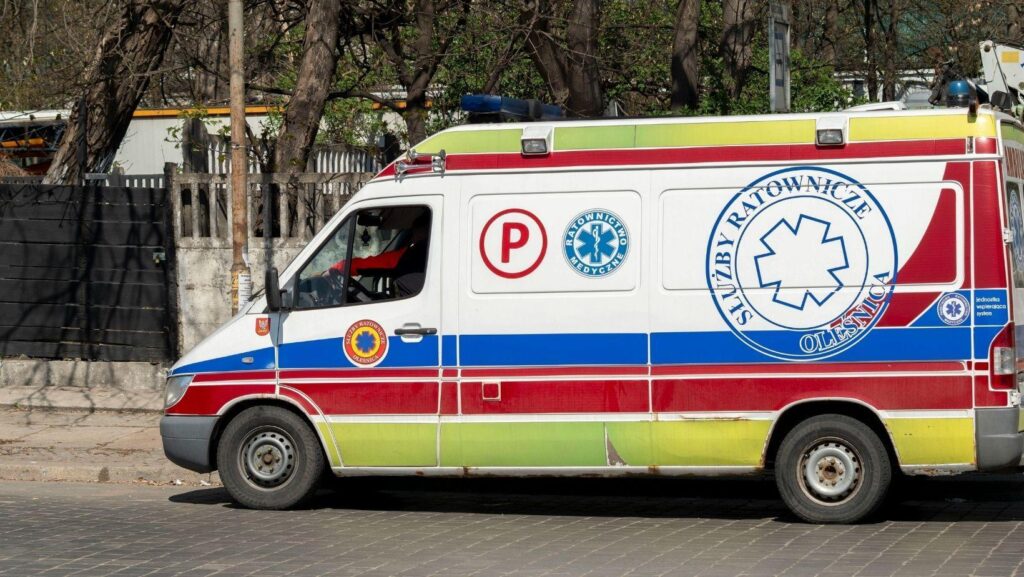
Medical emergencies are unpredictable, but your response doesn't have to be. Getting certified in first aid and CPR gives you the tools to manage life-threatening situations until professional help arrives. Whether it is a workplace injury or a household accident, being prepared saves lives and prevents minor issues from escalating.
Many people assume they will know what to do when someone collapses or starts choking, but panic often takes over when you lack training. If you want to be prepared to help your neighbors or family, you should visit CPR training near Halifax Shopping Centre to see the available training dates. It is a simple step that makes a huge difference. You never really know when you might be the only person in the room with the skills to help.
What Should You Do While Waiting for Help?
The minutes between a 911 call and the arrival of an ambulance are the most critical. If someone is suffering from a cardiac arrest, their chances of survival drop significantly with every passing minute without care. Your job isn't to be a surgeon; it is to keep blood and oxygen moving.
By performing chest compressions, you act as a manual pump for the heart. It is tiring and a bit stressful, but it is the most effective way to keep someone viable. When you have proper training, you don't have to guess if you are doing it right. You just follow the rhythm you learned in class.
Why is Blended Learning Becoming the Standard?
In the past, you had to clear an entire weekend to get certified. That just isn't realistic for most people anymore. Blended learning solves this by letting you do the theory work on your own time. You can finish the online modules on your laptop while having coffee or late at night.
Once that part is done, you only spend a few hours in the classroom. This time is strictly for hands-on practice with mannequins and feedback from an instructor. It is a much more natural way to learn because you aren't overwhelmed by hours of lecturing. You get straight to the skills that actually matter.
How Long Does Training Take?
Most people are surprised by how quickly they can gain these skills. A basic emergency course can often be completed in a single day or through a few hours of online work plus a short in-class session. It is a tiny investment of time for a skill that lasts a lifetime.
Even if your job doesn't strictly require it, having this on your resume is a massive plus. It shows that you are responsible and capable of handling pressure. Employers in every industry value someone who can keep a cool head during a crisis.
Are AEDs Hard to Use?
Automated External Defibrillators (AEDs) are appearing in more public spaces every day. You have probably seen them in gyms, malls, or community centers. They look intimidating, but they are designed for people with zero medical background.
The machine literally talks to you and gives you instructions. It won't even deliver a shock unless the person’s heart actually needs it. In a training course, you get to use a practice unit so you can get used to the voice and the steps. It takes the "scary" factor out of the technology entirely.
If you are looking for first aid training near Citadel Hill, Spring Garden Road, or other areas close to our facility, then you may reach out to Coast2Coast First Aid & Aquatics in that area.
Frequently Asked Questions
Which level of CPR should I choose? CPR Level C is the most common choice as it covers adults, children, and infants. If you are a healthcare professional, you will likely need the more advanced Basic Life Support (BLS) level.
Will I get a certificate I can print? Yes, after completing your course, the Red Cross will email you a digital certificate. You can save the PDF to your phone or print it out whenever an employer asks to see it.
Is first aid training physically demanding? There is some physical work involved, like kneeling on the floor to practice compressions. However, instructors are very accommodating and can help find ways for you to practice that fit your physical needs.
What if my previous certification expired? If your card has already expired, you usually have to take the full course again rather than a shorter recertification. It is always best to book your next class a few weeks before your current one runs out.
Can children take a first aid course? There is no set age limit for Red Cross courses. As long as a child is mature enough to understand the concepts and physically strong enough to do the compressions, they are welcome to join.
More Stories
Interactive Spins: How Technology Is Modernizing Slot Games
YES2WIN Malaysia: Explore Casino Games, Promotions and Player Rewards
QuilCapital-LTD.net Review: Is QuilCapital Worth a Closer Look?
How to Speed Up Your Fall Yard Cleanup Without the Stress