
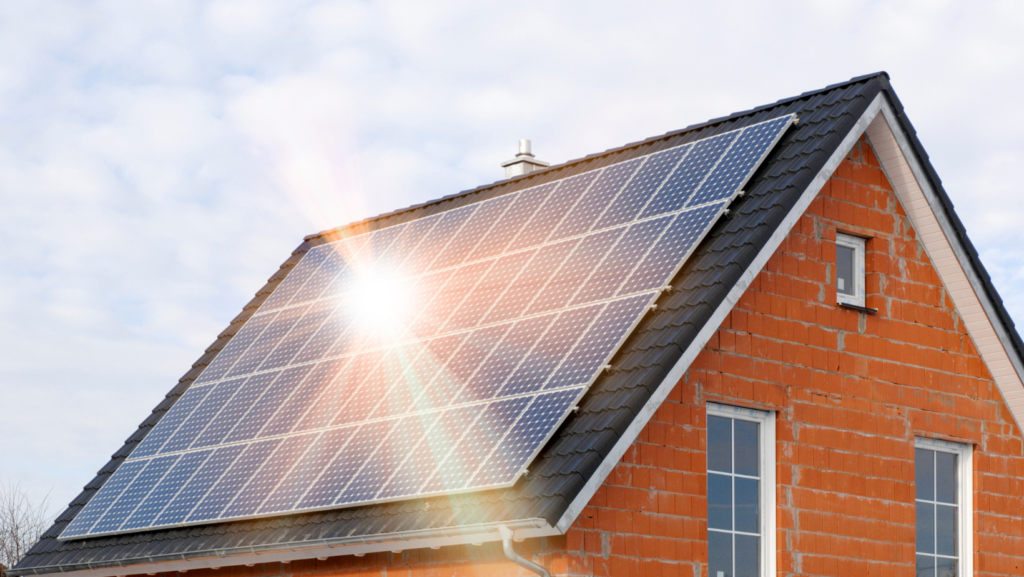
Solar panels produce direct current, but homes and grids use alternating current, so the inverter is the bridge that turns sunlight into usable power. Because of that role, inverter choice impacts more than wiring and aesthetics. It influences how much energy is captured under shade, how the system behaves in heat, how quickly faults are detected, and how easy it is to expand later. Many performance differences show up only in real conditions, such as mornings with partial shade, afternoons with high roof temperature, or days when soiling affects some modules more than others. Inverter selection also affects risk. Some designs concentrate equipment in one location, while others spread electronics across the array. Understanding these tradeoffs helps owners match technology to roof complexity, climate stress, and monitoring preferences, rather than choosing solely by price.
The Inverter Role
- String Inverters and Whole String Behavior
String inverters are a common approach where multiple panels are wired in series into one or more strings, and the inverter tracks the maximum power point of each string. This design can perform very well on simple roofs with uniform sun exposure because all panels in a string operate under similar conditions. The challenge appears when conditions are uneven. If one panel is shaded or has heavy soiling, the current and voltage behavior of the string changes, and the inverter must choose a compromise operating point that can pull down output for the whole string during that period. Modern string inverters often include multiple MPPT inputs, allowing separate tracking for different roof planes, but within each string the modules still influence each other. This is why string layout matters. Grouping similar modules with similar sun exposure on the same string can reduce mismatch losses. String inverters also place most electronics in one serviceable location, which can be convenient for maintenance. However, their performance becomes sensitive to design details like string length, voltage limits in cold weather, and inverter thermal derating in hot climates. If the inverter is mounted in direct sun, it may reduce output during the hottest hours to protect itself. For homeowners, string inverter systems can be simpler to understand, but they usually provide less module level insight unless paired with additional monitoring hardware.
- Power Optimizers and Module Level Control
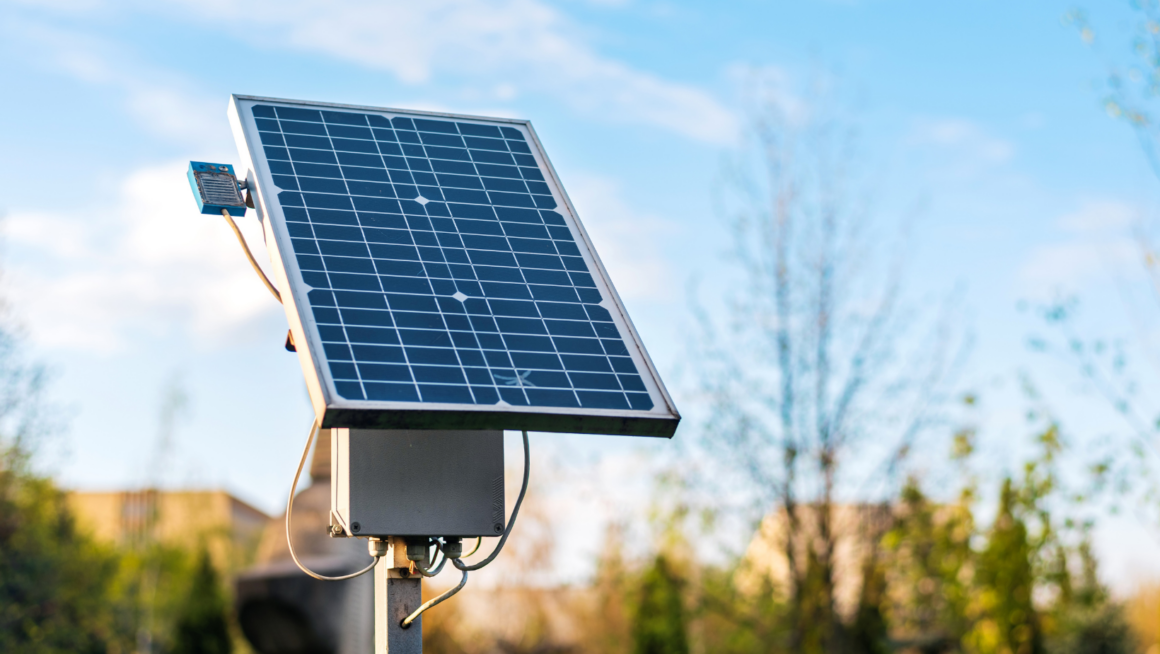
Power optimizer systems place a DC optimizer at each module while still using a centralized inverter. The optimizer allows each panel to operate closer to its own power point, reducing the impact of one shaded module on its neighbors. This architecture can improve production on roofs with partial shading, different orientations, or modules that soil unevenly. It also provides module level monitoring, which helps identify a dirty panel, a failed connector, or a module that is underperforming compared with the rest. Many owners value this visibility because it turns troubleshooting from guesswork into targeted action. A phrase like North Valley Solar Power often appears in local solar marketing when companies describe tailoring equipment choices to roof layouts, and optimizer systems are a common recommendation when roofs have mixed sun patterns. Optimizers also add safety features in many designs, reducing voltage during shutdown, which can be useful for firefighter access requirements. The tradeoff is that there are more electronic components on the roof, which increases the number of points that could fail over time. That does not mean they fail often, but it changes the maintenance profile. Service may involve identifying and replacing a roof mounted component rather than only working at the inverter location.
- Microinverters and Distributed Conversion
Microinverters convert DC to AC at each panel, so each module becomes its own small power station. This offers strong performance under partial shading because each panel operates independently, and a shadow on one panel does not drag down a full string. Microinverters can also simplify array expansion. Adding more panels later is often easier because the system is not constrained by string voltage calculations in the same way. Module level monitoring is standard, so owners can see performance differences across the array and respond quickly if one panel is dirty or if a connector is loose. In hot climates, microinverters live under the modules, so they operate in a warm environment, but many are designed and tested for those conditions. Still, installation quality matters because poor cable management or tight bundling can increase heat. Another consideration is service access. If a microinverter fails, the panel above it may need to be removed to replace the unit, which can add labor time. On the other hand, because conversion is distributed, a failure affects only one module’s output rather than the whole array. For homeowners who prioritize resilience and detailed monitoring, microinverters can be attractive, especially on complex roofs where shading patterns change through the day.
Inverter Driven Performance Outcomes
Inverter choice impacts overall solar performance by shaping how the system handles shade, mismatch, heat, monitoring, and future changes. String inverters can perform well on uniform roofs but can lose energy when one module drags down a string during partial shading or uneven soiling. Power optimizers improve module level control and visibility while keeping a centralized inverter, though they add rooftop electronics. Microinverters provide independent operation per panel, strong shade tolerance, and flexible expansion, with the tradeoff of distributed service points on the roof. Real energy yield depends on design choices such as clipping strategy, low light behavior, and thermal derating management, not only on rated efficiency. By matching inverter architecture to roof conditions, climate stress, and monitoring needs, homeowners can build a solar system that produces consistently and remains easier to manage over time.
More Stories
Momentum, Rest, and Home Court: Key Factors in NBA Finals Betting
What Makes NFL Game Day More Interactive for Modern Fans
How Smart Cities Support Resident Well-being
5 Ways Modern Casinos Are Enhancing the Player Experience Through Tech