
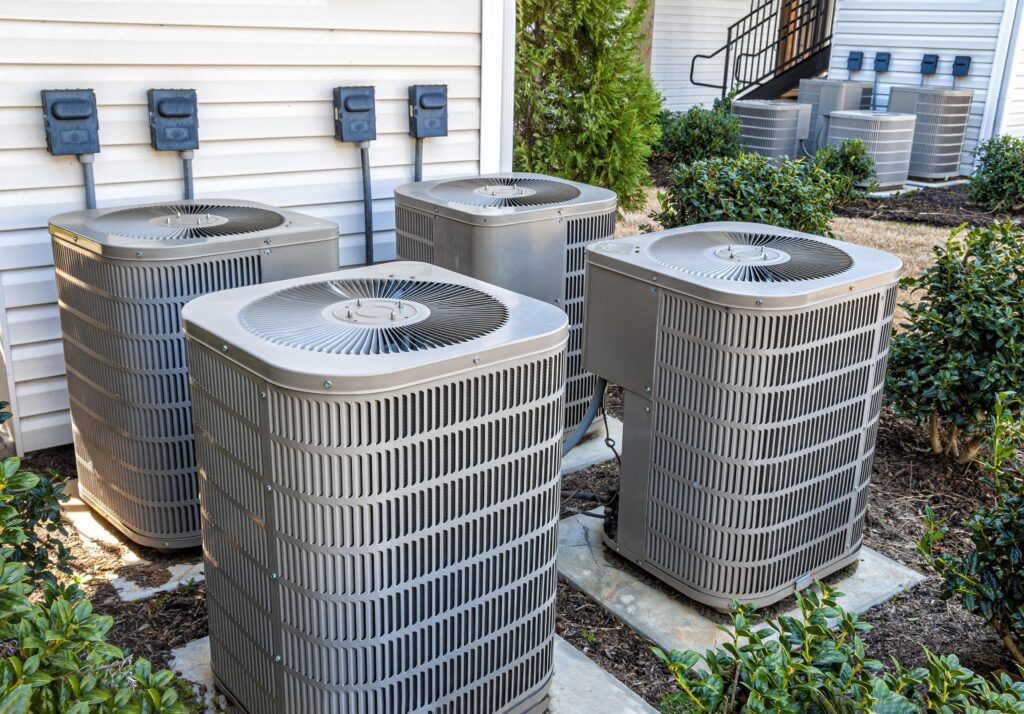
Mold growth inside homes and buildings is often linked to moisture, poor ventilation, and inconsistent temperature control. Because HVAC systems regulate both airflow and humidity, they play a central role in preventing conditions that allow mold to develop. When systems are not properly maintained or optimized, they can unintentionally contribute to damp environments where mold thrives. Addressing this issue requires a combination of proper system design, regular maintenance, and effective moisture control strategies. Understanding how HVAC solutions can reduce mold risk helps property owners create healthier indoor environments while protecting their space’s structure and air quality.
Preventing Mold Through HVAC Systems
- Controlling Indoor Humidity Levels
Humidity control is one of the most important factors in preventing mold growth, and HVAC systems are designed to manage moisture in the air. When humidity levels rise above recommended ranges, surfaces such as walls, ceilings, and ducts can become breeding grounds for mold. Properly functioning air conditioning systems help remove excess moisture, maintaining a balanced indoor environment. In some cases, property owners dealing with persistent moisture issues consult services like Glenpool Air Conditioner Repair to ensure their systems are effectively regulating humidity. Maintaining appropriate humidity levels reduces the likelihood of mold development and supports a more comfortable indoor space.
- Improving Air Circulation and Ventilation
Air circulation plays a key role in preventing stagnant conditions that allow moisture to accumulate. HVAC systems distribute air throughout a building, helping to keep surfaces dry and reducing the chances of mold growth. Proper ventilation ensures that fresh air replaces stale, humid air, particularly in areas prone to moisture such as kitchens and bathrooms. When airflow is restricted due to blocked vents or poorly designed duct systems, moisture can become trapped, creating an environment where mold can thrive. Enhancing ventilation through system adjustments and regular maintenance helps maintain consistent air movement and reduces the risk of damp conditions.
- Maintaining Clean Ductwork and Components
Ductwork and internal HVAC components can collect dust, debris, and moisture over time, creating conditions that support mold growth. Regular cleaning of ducts and system components helps prevent the buildup of contaminants that contribute to poor air quality. Moisture within ducts can lead to hidden mold growth, which may spread through the air system and affect the entire building. Routine inspections and cleaning ensure that ducts remain dry and free of obstructions. Keeping these components clean not only prevents mold but also improves overall system efficiency and indoor air quality.
- Using Dehumidification Systems
In areas with consistently high humidity, additional dehumidification systems can be integrated with HVAC units to enhance moisture control. These systems work alongside heating and cooling equipment to remove excess moisture from the air more effectively. By maintaining lower humidity levels, dehumidifiers help prevent the conditions that allow mold to develop. This approach is particularly useful in humid regions or in buildings where moisture levels are difficult to control. Combining dehumidification with HVAC operation creates a more balanced indoor environment and reduces the risk of mold-related issues.
- Ensuring Proper Drainage and Condensation Management
HVAC systems produce condensation as part of their normal operation, and managing this moisture is essential for mold prevention. Drain lines and pans must be properly maintained to ensure water is efficiently removed from the system. Blocked or damaged drainage components can lead to water accumulation, creating an environment where mold can grow. Regular inspection of these elements helps identify potential issues before they become significant problems. Proper condensation management ensures that moisture is directed away from the system, reducing the likelihood of mold development within or around HVAC equipment.
- Scheduling Regular System Maintenance
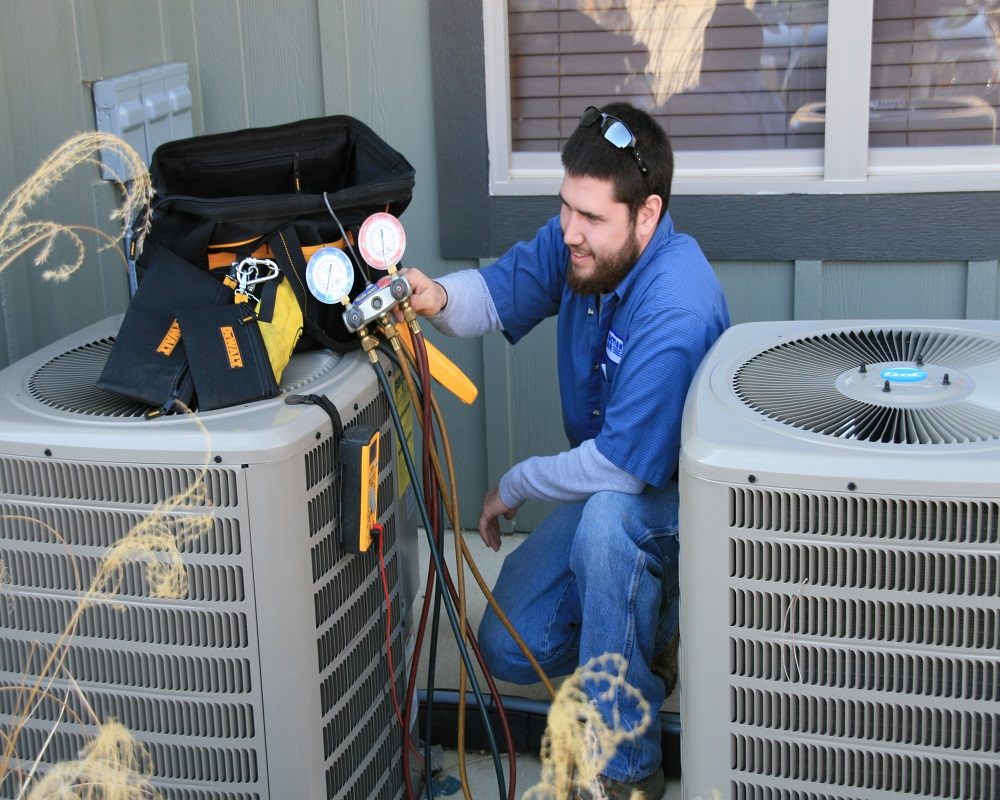
Routine maintenance is a critical component of preventing mold in HVAC systems. Regular inspections allow technicians to identify issues such as leaks, blocked airflow, or excessive moisture that could contribute to mold growth. Maintenance tasks, including filter replacement, coil cleaning, and system checks, help ensure that the HVAC system operates efficiently and supports a healthy indoor environment. By addressing potential problems early, property owners can reduce the risk of mold and maintain consistent system performance. Ongoing care ensures that HVAC systems continue to function as intended while supporting indoor air quality.
Creating a Healthier Indoor Environment
HVAC solutions play a vital role in preventing mold by controlling humidity, improving airflow, and maintaining clean system components. By addressing moisture and ventilation issues, these systems help create an environment where mold is less likely to develop. Regular maintenance and proper system design ensure that HVAC equipment continues to support indoor air quality and structural integrity. Taking a proactive approach to mold prevention not only protects the building but also supports occupants’ health and comfort, making HVAC management essential to maintaining a safe indoor space.
More Stories
What Makes NFL Game Day More Interactive for Modern Fans
How Smart Cities Support Resident Well-being
5 Ways Modern Casinos Are Enhancing the Player Experience Through Tech
Win777 Vegas X Guide: Web Version, Domain Confusion and App Access