
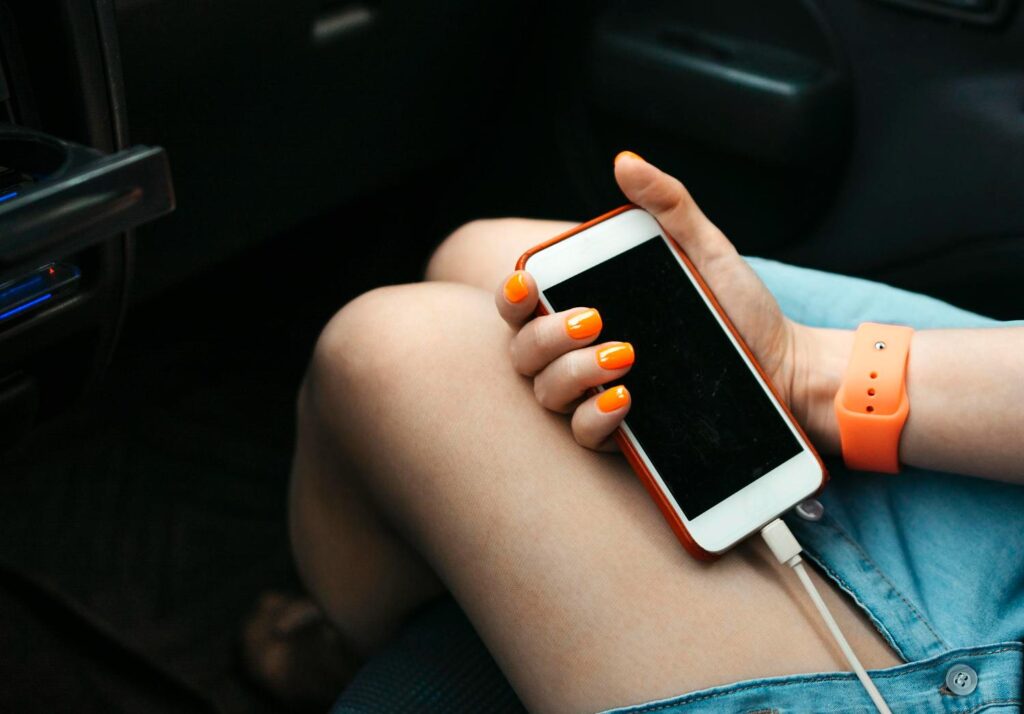
Open your drawer – the one full of cables you never threw away. Some don’t fit anything you own anymore, but you kept them anyway. Now imagine that problem during a Formula 1 weekend. Between a phone streaming onboard cameras, a tablet tracking lap times, and maybe a laptop open with race data, every device needs power – and usually from a different cable. That exact frustration is what the European Union spent years trying to fix.
When the decision finally came in October 2022, it wasn’t even close: 602 votes in favor, 13 against. The new regulation required USB-C to become the standard charging port across a wide range of devices – from smartphones and tablets to headphones, cameras, and handheld consoles. For Formula 1 fans who constantly switch between devices while following races, including those who engage with f1 betting during live sessions, the impact was immediate and practical. One cable instead of three or four meant less friction and more focus on the race itself.
Apple, Adaptation, and the End of Lightning
Even if you’ve never used an iPhone, you’ve likely encountered Apple’s Lightning cable problem. During race weekends or watch parties, someone always needed a charger — and compatibility was never guaranteed.
Apple held onto Lightning for over a decade after introducing it with the iPhone 5 in 2012. But by late 2022, it became clear the shift to USB-C was unavoidable. When the iPhone 15 launched in September 2023 with a USB-C port, the transition officially began.
By early 2025, nearly all Apple devices – including AirPods and accessories – had moved to USB-C. For Formula 1 fans, this meant something simple but powerful: a unified setup. One cable could charge a phone, tablet, earbuds, and even some laptops. During long race sessions, especially across different time zones, that kind of simplicity matters more than it sounds.
The Hidden Cost of Cable Chaos
Before the regulation, the scale of the problem was bigger than most people realized. The EU estimated that around 11,000 tonnes of charger waste were generated every year. Consumers were also spending roughly 250 million euros annually on unnecessary cables.
The numbers behind the decision were hard to ignore:
- 38% of consumers experienced charger incompatibility
- Over 420 million devices were sold annually in the EU, most with redundant cables
For Formula 1 audiences – especially those following full race weekends — this inefficiency was amplified. Multiple devices meant multiple cables, and managing them became part of the routine. USB-C didn’t just reduce waste; it simplified the entire digital experience around the sport.
One Port, Multiple Functions
What makes USB-C different isn’t just standardization – it’s capability. A single cable can now handle charging, high-speed data transfer, video output, and audio simultaneously.
For Formula 1 fans, this creates a much more streamlined setup:
- watch the race on one screen
- track telemetry on another
- charge devices without switching cables
- connect to external displays or accessories
With technologies like Thunderbolt 4 pushing high data speeds through the same port, USB-C effectively replaces multiple legacy connectors. It turns a fragmented experience into a unified one — something especially valuable during fast-paced race coverage.
A Global Shift Beyond Europe
Once manufacturers adapted to EU regulations, the shift became global. Maintaining different ports for different regions stopped making financial sense. As a result, USB-C quickly became the default standard worldwide.
This standardization benefits international sports audiences, including Formula 1 fans who follow races across different countries and time zones. Whether watching in Europe, Asia, or the Americas, the same setup now works everywhere.
What’s Left Behind – and What Comes Next
Micro-USB hasn’t disappeared completely, but it’s now limited to low-cost, short-lifespan devices. In the context of Formula 1, where fans rely on high-performance tech and multiple screens, it’s essentially irrelevant.
The next step is wireless charging standardization. The EU has already signaled interest in regulating interoperability to avoid the same fragmentation that existed with cables.
Conclusion
USB-C didn’t just win a technical battle – it changed how people interact with their devices. For Formula 1 fans, the impact is especially clear. Fewer cables, fewer interruptions, and a smoother multi-screen experience mean more focus on the race itself.
In a sport defined by precision and speed, even small improvements in how fans consume content make a difference. And sometimes, that difference starts with something as simple as a single cable.
More Stories
Inside Tracy Jimenez’s Tech Reporting: A Practical Guide To Her Best GetWhoCares Articles (2026)
Tracy Jimenez’s Tech Dispatches: Why GetWhoCares Is The Must-Read Voice For Practical Innovation (2026)
Inside GetWhoCares: Jimenez’s Tech Articles That Actually Matter — A 2026 Guide
Inside Jimenez’s Tech Coverage On GetWhoCares: What Readers Need To Know In 2026